
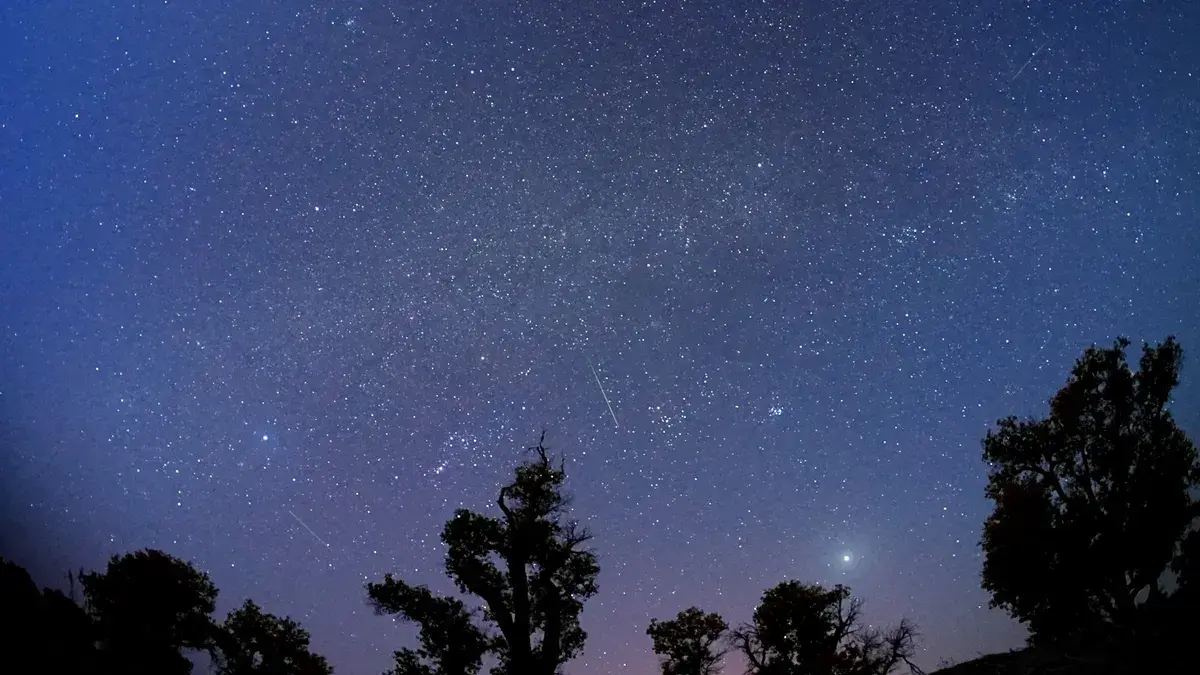
This weekend. Stargazers can catch a glimpse of one of the most consistent’ shooting stars‘ on the calendar.
The Orionid Meteor Shower tonight may be viewed from all across the globe. It will be active until the seventh of November but to get the finest look, you must watch overnight on Sunday. The breathtaking show will climax. On the night of October 21-22, between midnight and daybreak. According to the Royal Museums Greenwich, visitors should be able. To observe the shower for many days before and after this date.
Table of Contents
However, the fading Hunter’s SuperMoon. Which reached its peak earlier this week. Will make viewing circumstances less than optimal, with experts advising. That watching from home is the best option.
The brilliant moonlight will “severely hamper” viewing of this spectacle. According to the American Meteor Society. This means that it is generally not worth hunting out a dark sky spot. But it may be preferable to hope to view a particularly bright shooting star from your own doorstep.
But what is the Orionid Meteor Shower Vancouver, and how can you best watch it? Experts from the Royal Museums Greenwich say:
What is the Orionid Meteor Shower?
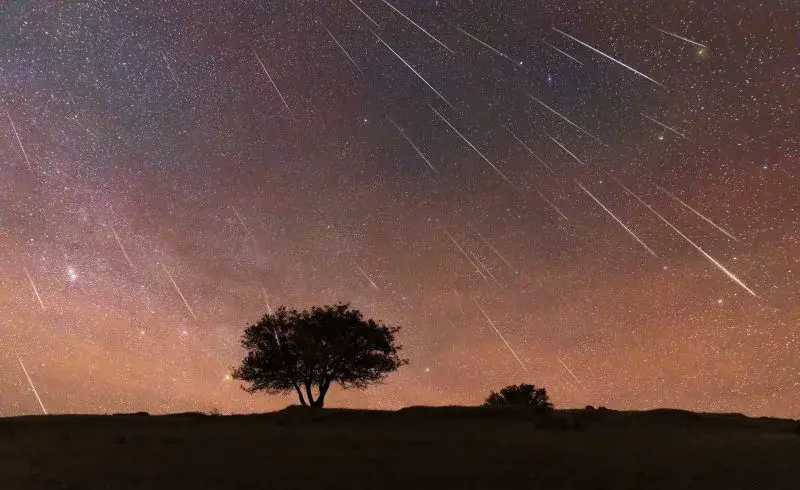
Many people see the Orionids as particularly noteworthy. Since the meteors are fragments of Comet 1P/Halley, often known as Halley’s Comet. This passes the Earth just once every 75 – 76 years – it was last sighted in 1986. And is scheduled to return in 2061 – but it does have an annual shower.
As the comet travels around the sun, it leaves a trail of small debris. Cometary debris hits our planet’s atmosphere at around 41 miles per second. Vaporizing due to friction with the air, resulting in the streaks of light known as meteors.
According to NASA, the Orionids are one of the most spectacular showers of the year. They are notable for their brilliance and speed. They are expected to reach the earth’s atmosphere at 41 miles per second (66 kilometers per second). Or around 148,000 mph (238,000 km/h).
When is the Orionid Meteor Shower?
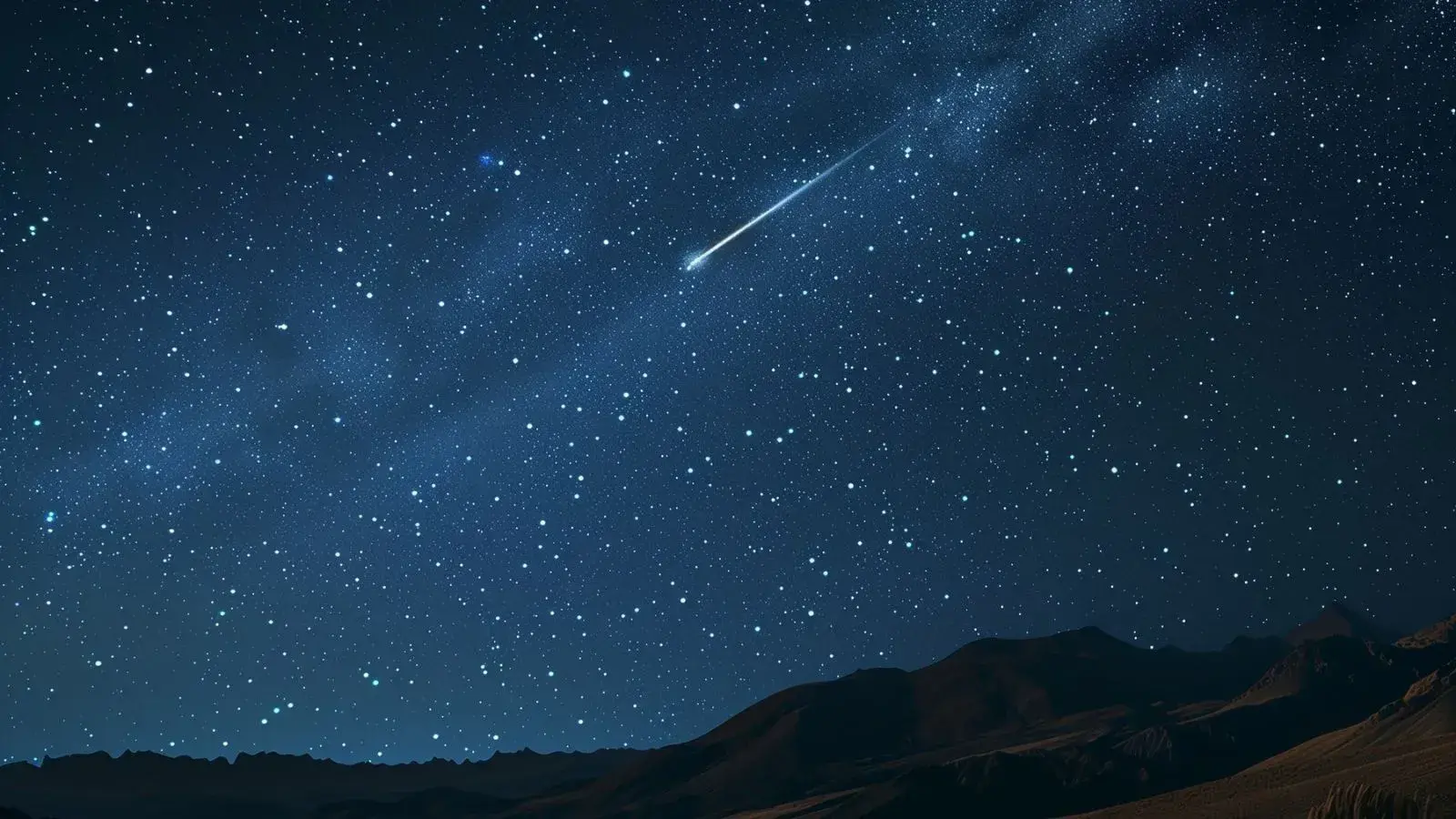
The Orionids emerge every year in late October, peaking around the 21st. Although the Orionid will be best visible on October 21-22, 2024. There is a wide range of days spanning nearly a week around that period.
At its peak, lucky observers may witness up to 20 meteors flash across the sky each hour.
How can I watch the Orionid Meteor Shower 2024?
It can take some time to detect a meteor. So bring a comfortable chair and cover yourself warm because you may be outside for a while. The Royal Museums of Edinburgh say:. “They can be seen with the naked eye so there’s no need for binoculars or a telescope. Though you will need to allow your eyes to adjust to the dark.” The Moon will be waning gibbous in 2024. Thus this year’s circumstances are not exceptionally favorable. However, the shower lasts more than a month. So even if the Moon interferes with the peak, you may still be able to see a few meteors over its lifetime.”
Where is best to watch the Orionid Meteor Shower?
For the greatest results. Choose a safe place away from street lights and other sources of light pollution. Meteors may be seen all across the sky. Therefore it’s best to be in a large open region where you can sweep the night sky with your eyes. However, tracing the meteors’ courses reveals. That they appear to come from the constellation Orion.
The Orionid meteor shower typically lasts from October 16 to 26. A few rapid Orionids may arrive as early as October, with one or two persisting as late as November 7. When circumstances are clear and dark and the shower radiant point around the Orion-Gemini boundary is high in the sky, the number observed by any single viewer tends to peak at roughly 20 per hour.
Unfortunately, this year’s Orionids will confront a tremendous hurdle. When these meteors peak early on Monday morning (Oct. 21), the declining gibbous moon will be visible virtually the whole night. As a result, its glare will significantly limit observations in 2024.
About the Author

Excellent
Nice
I love the meteor shower nice blog
Nice
Brillient
Nice
Excellent
Nyc mentor
Brilliant information about meteor shower.