

Unlock the secrets of on-page SEO in 2024. Explore effective techniques that enhance your website’s performance and drive organic traffic to your site.
Table of Contents
Search engines. like Google, Bing and Yandex. Are becoming increasingly intelligent. And you may be asking if on-page SEO strategies are still useful. The answer is yes, but not all. Some techniques still work, and they help search engines understand your content quicker. So if you want your pages to rank higher, let’s discover the SEO techniques that still work.
Rank Math
The One Tool, that provides easy to use SEO and AI tools. and this Article provides you with tips, tricks, and tutorials. To help you grow your search traffic. So if you’re new to us, subscribe. Now, there are on-page and off-page SEO. On-page is all about optimizing the page for search intent. And it helps search engines understand the content better.
off-Page
While off-page is meant to help the popularity of that page. If you have Rank Math installed on your WordPress site. You don’t have to worry about on-page optimization. Because most of it has been taken care of automatically and behind the scenes. And for things you need to optimize, we have many SEO checks that will guide you towards the right direction.
If you want to learn about each of the SEO checks in detail, you can check out this article right here. But this article highlights the important techniques. That are not covered in the other article. So let’s check out the first.
Optimizing for internal links
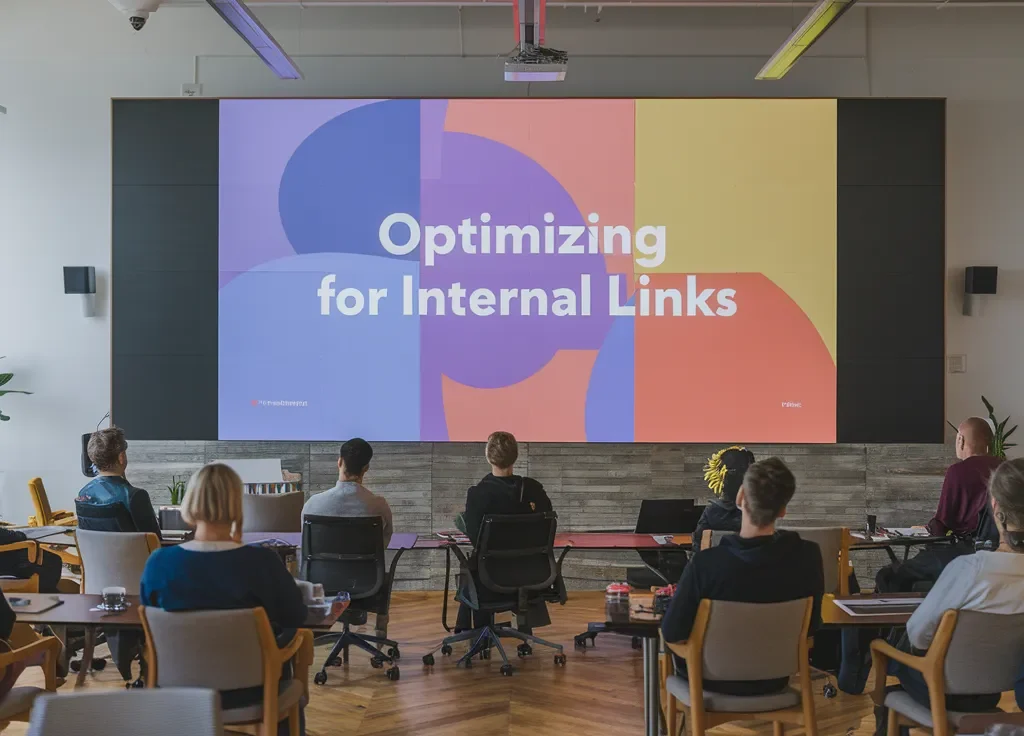
Optimizing for internal links. Is one of the most important on-page SEO techniques you should use.
The way search engines assess the quality of a site is if you’re writing one piece of article. Are there any other supporting pieces of content on the same site. That can help support and add depth to that one piece of article. It is the same way search engine robots crawl your sites. They crawl from one page and they visit the pages linked to that page and crawl them, and it goes on and on.
The more depth you provide to a topic, the higher the quality of your entire site in the eyes of the search engine. In one of our SEO checks, we check if you have added at least one internal link in your article. Take note that this SEO check is synced with our Content AI analysis. For example: this is our Content AI research tool. And we are writing a piece of article about the benefits of exercising.
Hit research, and Content AI will scrape and analyze all the articles. That are ranking for this keyword and will provide you with smart suggestions. To optimize your page. Over here, it is suggesting that we should have eight internal links. Now, if Content AI does not recommend any internal links here. Which is rarely the case, but if that happens, then this SEO check here will be hidden.
Another thing I want to talk about is the optimization of the anchor text of the internal links. Do not overuse the same anchor text for several articles. If you’re not familiar with anchor text. It is the text that describes what people can expect when they click on the link. For example, this article about on-page SEO has a link to a page about SEO tips and uses the anchor text as SEO.
Then in the next article about technical SEO, you are adding a link to a page about SEO mistakes. Using the same anchor text, SEO. Then when you write another article about SEO ranking factors. you link to another page about SEO checklist with the same anchor text, SEO. If you are the search engine and you visited this site, you’ll be confused as well, right? It is using SEO as an anchor text, and it describes these three pages.
There could be more. So as a search engine, how do I give weight and importance when talking about SEO? So if you do this. You are losing the opportunity to help search engines understand. What keywords are important to what pages. So it will be prudent to have a clear description, hopefully a rank able keyword, when describing the link to a page.
So when talking about SEO mistakes.
you will use that anchor text on all other pages and it links to the SEO Mistakes page. Search engines will know this page is important when we are talking about SEO mistakes. And when we talk about SEO tips, then this page is important. Hope you find the SEO technique useful, and how about a thumbs up for the article.
Anyway, if you want to understand more about how each page of your website helps each other on your SEO. You should check out this article that talks about silo structure. As well as this article that talks about content hubs. Writing a piece of an article for your website is very like the contents of a book. Or if you have ever written a project report in high school, college, or university. The structure of the content is very similar.
Importance of Heading Tags

Think of your content as follows. The title of your article is like the tree trunk. It is the main part that holds everything together and sets the foundation for the rest of the content. The H1 heading tag represents the tree trunk. It is important to use only one H1 tag per page to clearly define what the page is about.
This helps both the page visitors and search engines. understand the main focus of your content. For example, the main topic could be the benefits of exercising. Then the H2 tags are like the main branches of the tree. These tags represent primary sections that grow out of the main topic. For example, since the main topic is about the benefits of exercising. You could have H2 tags with physical health benefits, mental health benefits. and how to start exercising.
These main sections break down your content into more specific areas. Making it easier to navigate and understand. They not only help organize your article and provide a clear structure. But they make it easier for your page visitors to scan your page. And then the H3 heading tags are like the smaller branches.
These subsections provide more detailed information under each main section. In this example, H3 tags under the physical health benefits can be improve heart health. Boost immunity, enhance muscle strength, and others. And then the hierarchy goes on. The H4, H5, and H6 heading tags acts as the leaves and tweaks of your content tree.
If you can break down further on the benefits of improving heart health, you would use H4. Breaking it down further, you would use H5, and then up to the H6 heading tag. If you are writing a blog post on a WordPress editor. By default, the title of the page will be embedded with the H1 heading tag. And throughout the page, there should not be another H1 heading tag.
So following the previous example, the title of the H1 heading tag will be benefits of exercising. You could include a number in front of the title when you decide on the exact number of benefits. Then you can have a short introduction here and then break it up with H2 heading tag. You will add a new text blog, type out the text such as physical health benefits, mental health benefits. And how to start exercising, and make each of the text here a H2 heading.
We click on this, and then this, transform it to a heading, and by default, this is a H2 heading. The same goes for this, and here we go. Now we have three H2 headings. And then you could describe each of the H2 headings. And then if you want to break down a H2 heading further, like for physical health benefits. We could have improve heart health, boost immunity, and enhances muscle strength.
We’ll make this into a H3 heading. The same goes for this as well as this. Normally, when you write an article. You would try to create the structure of the content before focusing on the details. If you want to see the structure and hierarchy of your page. You can leverage on the WordPress outline tool by clicking on this.
Click on the outline, and now you will see the hierarchy of the page. Never skip the hierarchy. You shouldn’t have a H4 heading tag without a H3. For example, you shouldn’t add a H4 heading tag within the H2 if there is no presence of a H3. Like this. You see, WordPress also prompts you that this is an incorrect heading level.
So following the heading hierarchy is a good SEO practice. Because that’s how search engines will interpret your page. Now, if you have troubles coming up with a content structure of your own. Or if you want to quickly have an SEO-optimized content structure. You can always leverage on our AI to do that for you.
You can either hit double slashes, search for blog, and you will see the blog post outline tool here. Or you can click on the content AI module right at the top, click on the third icon, and the tool is right here. Add your topic, benefits of exercising. This is a required field. Mark with this asterisk. The rest are not.
Then you want to include any main points and ideas you have. If not, leave it empty. Decide on the audience. Add a focus keyword. Select your tone if you have a preference. Choose a style. This will be a listicle. Then choose a language. There are many languages you can choose from. Select the number of outputs to generate and hit Generate.
In just seconds, you will have a content structure you can insert to your content area. As you can see, it adds more depth to what we have discussed earlier. Click Insert and it will be added to the content area. Remove the H1 heading, and here you go. You will have a content structure that is optimized with heading tags.
So proper use of heading tag tells search engines what each section of your page is about. It helps page visitors find the information faster. And as a result, better user experience, and in return, higher chance of ranking.
URL
All right. If you already have an established website. We do not recommend changing the URL or its structure. Even if it doesn’t follow our recommendations.
Let me repeat, because this is so important. If your website is already established and your content is ranking on the search engines. Do not change the URL structure because restructuring URLs. if not done properly, might have a severe impact on your site. But, if your site is relatively new and it is not getting much or any search engine traffic. Then by all means, you should future proof your URLs.
On your WordPress site
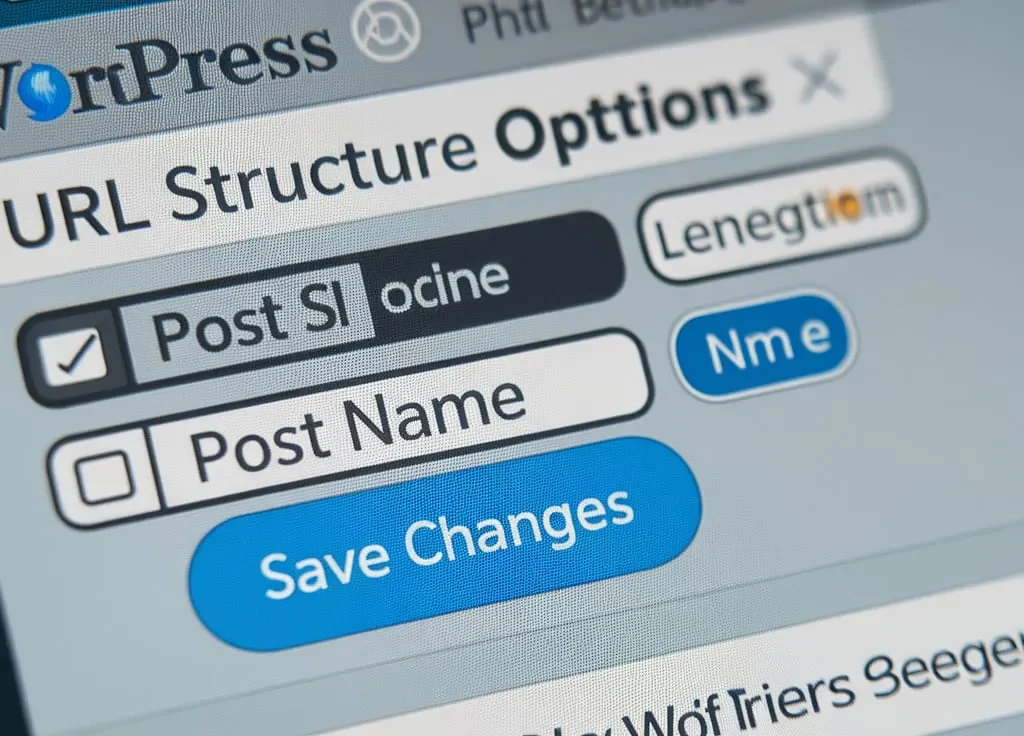
To change the URL structure, you would hover over settings and select permalinks. By default for most WordPress installations, for some reason. The day and name option will be selected. But our recommendation to future proof your URLs. To accommodate growth without needing significant. overhaul is to use either the post name option. That uses the page title as your URL slug. or in other words, the back of your URL, or use a custom structure that includes the category and the post name.
Having the post name in the URL is favored by the search engines because it gives context on what the page is about. This on-page technique is in one of our SEO checks. If we click on the Rank Math tab, scroll down, you will see that we check for the focus keyword in the URL. And if you click on Edit Snippet, we recommend that the URL length that includes your domain name. should not be longer than 75 characters.
But anyway, between the custom structure and the post name structure. I personally prefer the post name option because it is short and sweet and easily manageable. So let’s save changes. Earlier on the post, the URL is with numbers. So let’s save draft and then refresh the page. Back to the Rank Math tab and edit snippets.
Related guide: Top On Page SEO Tools Free : 25+ Best Free
Now the URL slug is following the title of the page. Now we want to avoid having numbers, date, or other unnecessary parameters. like the time, minute, seconds, post ID, etc. It’s because it is hard for people to remember and the URLs can get very long. And if you have date and time in the URL. the question is, what if you have updated your page content, yet the date and time in the URL stays outdated? It would confuse the users as well, right? So having numbers, dates, and any other unnecessary parameters
makes it hard to manage the URL in the future when your site grows. There is no right or wrong answer, but it will be prudent to think ahead. It is like building a house with the potential for future extensions in mind. Your URL structure is the SEO foundation for all your posts and pages, and it needs room to grow.
Okay, I’ve spent some time completing this article with AI. And now let’s talk about optimizing your meta title and description for on-page SEO. If you are interested in learning how to write high-quality articles. That search engines love with the help of AI. The link is in the description. All right, first things first. If we want our article to rank for the keyword, benefits of exercising. That will be our main focus keyword, and we should add it here If you want to rank for other related keywords. Such as benefit for exercise, or can exercising improve physical health. You can add that to this field.
For Rank Math free users, you can add up to five keywords. But if you are a Rank Math pro user, you can add unlimited keywords by default. The main focus keyword will be marked with the Star, or in other words, the first keyword in the group. If you want to change the main focus keyword, you can just drag whatever keyword you want and bring it forward.
Now this will be the main focus keyword. But that’s not what we want. All right, when it comes to meta titles and descriptions. It is still an important on-page SEO technique. Because when you visit the search engine, check out one of the search results. The most prominent element of it is the SEO meta title.
Meta Title & Description
As a searcher, if this title catches your eye, the next thing you will see is the meta description. To get a glimpse of what the page is talking about and if it is what I’m looking for. And if it is, I will click through to read the content. So optimizing your SEO meta title and description is incredibly important. Because if it does not catch the searcher’s eyes, if it is not enticing enough. And if it doesn’t seem like it is what the searcher is looking for. Then no one will click through to read your content no matter how great it is.
To optimize for the meta title and description of a page, on Rank Math’s tab, click on Edit Snippet. This is where you can edit the meta title and description. By default, if you did not matter with any of Rank Math’s settings. these three variables will be added to the meta title of all your posts. This title variable is taking information from the page title, but feel free to make changes to it.
As you can see, any changes to this field will be reflected in the preview. Now, the best practice for meta title is if you have the main focus keyword in it, which it does. And this is part of the SEO check right here. And if you discover the title readability checks. On top of the main focus keyword at the beginning. It checks if you have a positive or negative sentiment, as well as a power word.
There are certain words we look for for each check. And if you click on this question mark beside each check. you will know what they are And also it checks if you have a number in your title. Because studies shows. That meta titles with numbers will get a higher click-through rate. This checks for the SEO title, by the way, not the page title.
And then, as you can see here, we recommend that your SEO title be not more than 60 characters. Currently, it exceeds. But that’s fine because search engines care more about the pixel width. As long as your meta title does not go beyond 580 pixels, it is good enough. Then for the meta description. If you did not matter with any settings, Rank Math will automatically add a meta description for you.
So at any one time, your meta description will not be left empty. Now, to best optimize the meta description, you should think about what will get people to click. If your meta title is good enough to capture the attention of searches. Then it is the meta description that will get people to click through.
Focuse Keywords
Think about the main focus keyword your page is trying to rank for. What is the search intent? If your meta description matches the search intent. It is highly likely that someone will click through. As you can see in our SEO checks, we check if your focus keyword is found in the meta description. And since the second paragraph contain the main focus keyword. We will amend the meta description accordingly.
Now, the best practice is to have your meta description below 920 pixels. So maybe we can amend this a little. remove this, remove this as well, change this to a comma, and change this to and many more. So the intent hasn’t changed, and now the meta description fits nicely in the range. Now, in case you have troubles. Coming up with interesting meta titles and descriptions, fear not.
You can ask Content AI to write it for you. You have 750 free credits every month anyway. If you want to learn more about that, we have left a link in the description. But anyway, to generate meta title and description. Simply click on this Generate with AI button and Content AI will be put to work.
If you like the generated output, click on Insert and they will be added here. Now, meta titles and descriptions are two of the meta text that run in the background of a page. If you want to learn more about the things. That are working behind the scenes that help your sites be visible on search engines,
Keyword placement is part of the foundation for SEO, even today. Those search engines today are quite advanced and they claim to be able to pick up the contacts. And the keywords you are trying to rank for, we shouldn’t leave it to chance. We should do our part and optimize the content. So that we can clearly communicate the important things we want search engines to know.
Related guide: Mastering Off-Page SEO Strategies
We have talked about having your focus keyword in the meta title and description as well as in the URL. But where else should we strategically place the main focus keyword? Other than adding the focus keyword in the SEO meta title in the URL and in the description. We should also add the main focus keyword at the beginning of the content.
With it, it reinforces to the search engine. What your post is about and also reassures the page visitors that they have visited the correct page. As you can see, this check checks the first 10% of the content to find the focus keyword. If they found it, then you will pass this test. For example, this content is 1, 600 words long.
10% of it means in the first 164 the words, they should find the main focus keyword. It is as simple as that. Your content shouldn’t be below 300 words. but if that is the case, then this SEO check will look for the main focus keyword in all the words. Now, if you pass this SEO check. Then naturally it will pass the next check as well. Because as long as you are using the main focus keyword once in the article, you would have passed this check.
Now, if we expand the more SEO checks, we will see that you should add the focus keyword in one of the H2, H3, or H4 heading tags. Well, the key is, if there is no reason for you to add the focus keyword in one of the heading tags, you should not force it. Google and other search engines nowadays are sophisticated enough to understand your content.
Then as for this, in one of your images, you should have the focus keyword in your alt text. What we recommend is to add the first image with the main focus keyword in the alt text, like this. Once you have done that, you would have passed this test. We will talk more about image alt text in a while. Adding the focus keyword strategic areas will help search engines. Understand your page quicker.
One thing for sure, the placement of the keywords in the content should flow naturally. They shouldn’t be forced. Don’t squeeze or staff keywords in the content. We are not in the ’90s anymore. Search engines today are way sophisticated. And they will penalize you for trying to manipulate them.
So beware of that. As you already know, having the main focus keyword in the alt text of an image is a good SEO practice. but you should also add alt text to all your images, even if they do not contain any focus keywords. So every time you add an image to your page. you should open up the image settings and add an alt text here to describe what the image is about.
There are two reasons for doing so. First, for visibly diversity impaired individuals. they may use screen readers to consume your content, and the alt text will be read as the description of the image. Secondly, for page visitors who have poor internet connection. Sometimes the image may not load and having an alt text for the image helps the visitors understand. What the image is about.
Having an alt text for all your images is beneficial. If you have trouble coming up with a description for your images. feel free to click on this button here and Content AI will analyze the image and write a description for you. Now, Rank Math do automatically help you add an alt text to your images using the file name.
Now, if you want to write it manually, don’t do it. Rank Math can help you filter out those images without an image alt text. and it can generate the text inbound so you don’t need to open up every image and add it manually.
. Now, here’s one thing you should avoid when optimizing your image alt text with focus keyword. Having the main focus keyword in one of the image alt text is practically enough. You don’t have to add the main focus keyword in all your images. For example, if this is the featured image of the post, it contains the main focus keyword.
Then if you check out the next image, it contains the focus keyword as well. Then the next image includes the focus keyword, and every image on a page includes the focus keyword. Now, if you have only four images in one article, that is fine. You can have the focus keyword in all the images. But what if you have 20 or 50 images in one page, adding the focus keyword in the alt text for all the images. may get you penalized for keyword stuffing.
We recommend having the focus keyword in one of the image alt text. the first image or the featured image will be good enough. These are the basic on-page SEO techniques that still work. If you are familiar With SEO. You might be wondering. Why we did not cover topics like mobile responsiveness. site maps, schema, page speed, and others.
It is because they are rather technical, so cover them in another article, so hang tight. Anyway, we hope this article is helpful for you, and do help us out by smashing a thumbs up. And if you haven’t subscribed to us, we are all about helping you grow your search traffic. I’ll see you in the next Article.
Related guide: 7 Facts About B9 games That Gamers Love
About the Author

Nice work and good information
Yes on page seo great helps for new technologies