

Discover the power of a Virtual Careers Fair Platform to connect with top employers, career experts, and mentors. Learn how virtual career fair platforms and virtual job fair software are transforming the job hunt and career coaching landscape.
The Future of Job Hunting: Exploring the Best Virtual Careers Fair Platform in 2025
In 2025, digital transformation continues to redefine how we work, learn, and even job hunt. One of the most impactful innovations in this space is the Virtual Careers Fair Platform. If you’re a job seeker, student, or recruiter, understanding how virtual job fair platforms work can give you a major advantage.
This blog explores everything you need to know about virtual career fair platforms, their features, benefits, and how tools like virtual job fair software, remote career coaching, and online career counseling are reshaping career development.
What is a Virtual Careers Fair Platform?
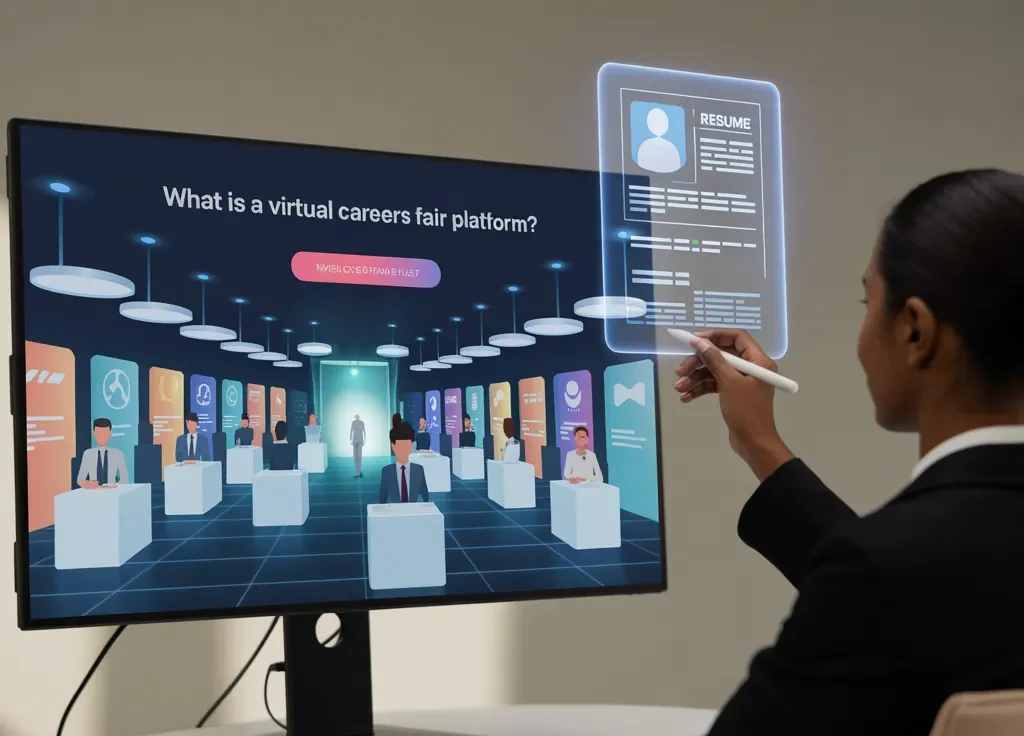
A virtual careers fair platform is an online solution that replicates traditional in-person job fairs using digital tools. It offers a virtual environment where job seekers can interact with recruiters, attend webinars, network, and explore job openings in real-time.
Think of it as a digital venue where employers and candidates meet without needing to be in the same location.
Table of Contents
Why Choose a Virtual Career Fair Platform Over Traditional Fairs?

- Accessibility: No matter where you live, a virtual career fair platform connects you with global opportunities.
- Cost-Effective: Save money on travel, accommodation, and materials.
- Real-Time Interactions: Chat with recruiters live, schedule interviews, or join career workshops instantly.
- Data-Driven: Organizers and employers get access to valuable metrics about attendee behavior and interest.
With the right virtual job fair software, it’s easy to customize the platform to your specific needs, whether you’re a university hosting a fair or a company recruiting talent.
Top Features of a Powerful Virtual Careers Fair Platform

A high-performing virtual career fair software typically includes:
- Interactive Booths for companies to showcase their brand
- Live Chat and Video Interviewing capabilities
- Resume Upload and Screening Tools
- Webinar Hosting for career panels and Q&A sessions
- Analytics Dashboards for event organizers
This makes the best virtual career fair platforms a go-to solution for universities, recruiters, and job seekers.
The Role of a Remote Career Coach in Virtual Job Fairs

One of the unique advantages of a virtual job fair platform is the ability to integrate career coaching into the event. A remote career coach can offer:
- Real-time resume critiques
- Mock interviews
- Career path guidance
- LinkedIn profile reviews
With a remote career coach on board, attendees feel more prepared and confident when engaging with employers.
How to Choose the Right Virtual Job Fair Software
When selecting a virtual job fair software consider the following factors:
- User Experience (UX): Is the interface intuitive and easy to navigate?
- Customization: Can it match your brand and event needs?
- Integration: Does it work with your existing CRM or ATS?
- Support: Is live tech support available during the event?
Some of the leading platforms in 2025 even offer AI-based matchmaking between candidates and employers, enhancing the value for everyone involved.
Virtual Job Fairs for Students and Entry-Level Candidates
Virtual career fair platforms are a game-changer for students, especially those in rural or international areas. Instead of traveling to expensive job expos, they can now:
- Explore internships and graduate roles
- Attend skill-building webinars
- Chat with HR professionals globally
Best online career counseling services are often integrated into these platforms, providing an additional layer of support for students.
Universities and Corporates Using Virtual Career Fair Platforms
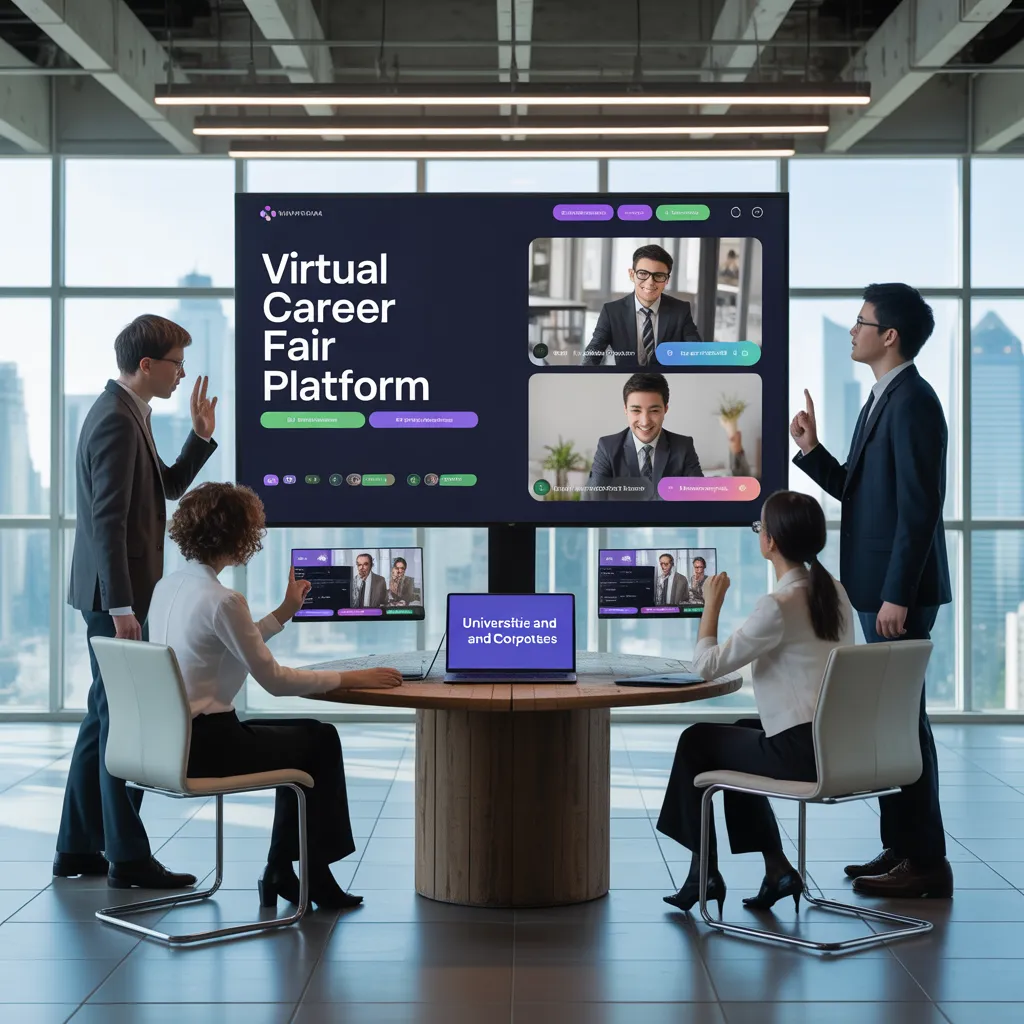
Universities and HR departments worldwide are leveraging virtual careers fair platforms to:
- Host annual career expos
- Conduct alumni networking events
- Organize industry-specific recruitment fairs
These platforms simplify the process and expand access, enabling recruiters to reach thousands of potential candidates in one day.
The Rise of Online Career Counselors and Their Role
Thanks to these platforms, the demand for online career counselors has skyrocketed. They provide:
- One-on-one career guidance
- Goal setting and strategy sessions
- Interview preparation and feedback
In many virtual job fair platforms, a built-in career online counselor feature is offered, especially for larger job fairs and educational institutions.
Benefits for Employers Using Virtual Job Fair Platforms
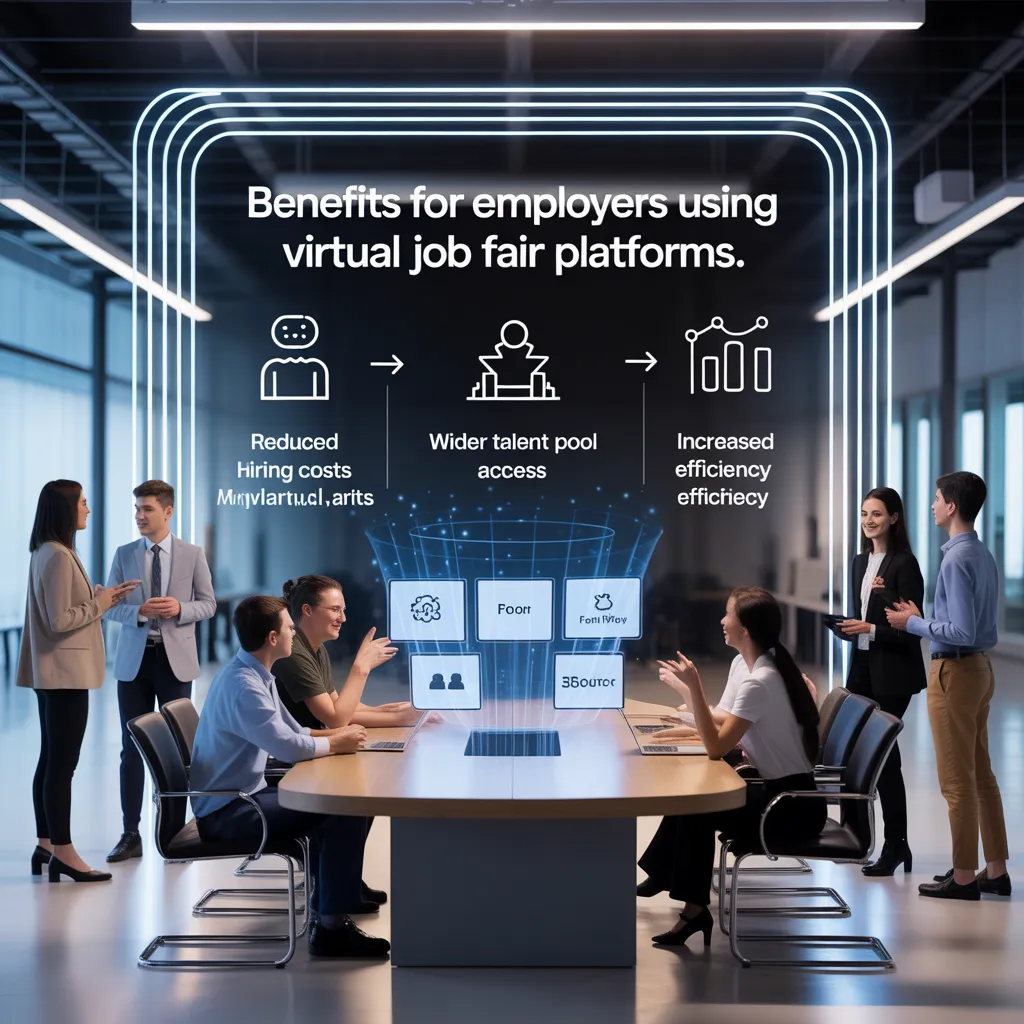
- Wider Reach: Connect with talent from different regions, even globally
- Lower Costs: No need for booths, travel, or logistics
- Speed: Faster hiring cycles with pre-screened applicants
- Data: Get insights into candidate behavior and interest
With features like resume sorting, live interview rooms, and analytics, virtual career fair platforms are now an integral part of modern recruitment.
Best Practices for Hosting a Successful Virtual Careers Fair Platform

- Promote Early: Use email, social media, and career pages
- Involve Partners: Collaborate with career coaches, universities, and companies
- Offer Value: Provide workshops, resume clinics, and employer panels
- Follow Up: Send post-event emails and surveys to keep engagement alive
Including a remote career coach or online career counsellor boosts attendee confidence and event value.
Is the Virtual Careers Fair Platform the Future?
The short answer: Absolutely.
Whether you’re a job seeker exploring global options, a student looking for your first internship, or an employer hoping to streamline recruitment, using a powerful virtual job fair platform or virtual career fair software is a must in 2025.
These platforms, combined with remote career coaching and online career counseling, offer an all-in-one ecosystem for career development and hiring success.
Virtual Career Fair Platforms in 2025: Why They Matter & How to Choose the Best
Why Virtual Career Fairs Matter in 2025
In 2025, virtual career fair platforms are not just a convenience—they are a necessity. With the growth of remote-first companies, hybrid roles, and global workforces, online career fairs allow employers to access talent pools worldwide and help job seekers connect with companies beyond their geographical limitations.
📈 Key 2025 Trends:
- AI-powered candidate screening
- Interactive 3D environments for booths
- Virtual interview rooms built into platforms
- Integration with LinkedIn and ATS tools
- Increasing use of remote career coaches for job seekers
Top 5 Virtual Career Fair Platforms (2025)
Here’s a comparative list of the best-performing virtual job fair platforms in 2025:
| Platform Name | Key Features | Best For |
|---|---|---|
| vFairs | Customizable booths, webinar support | Universities, Corporates |
| Brazen | Live video, text chat, CRM integration | Enterprise Hiring |
| Hopin | Multi-track events, networking tools | Global Conferences |
| Handshake | Student job matching, employer branding | University Students |
| Premier Virtual | Resume drop, video calls, analytics | Government, Career Services |
📝 Use platforms like these to host or attend virtual career fairs with ease and reach.
Benefits for Job Seekers & Employers
🎯 For Job Seekers:
- Connect globally with employers
- Access remote career coaches
- Use of virtual job fair software to schedule interviews and webinars
- Resume reviews via online career counseling tools
🏢 For Employers:
- Reduced hiring costs
- Better analytics on candidate engagement
- Ability to filter applicants with built-in AI tools
- Global reach for hiring diverse, remote-ready talent
✅ How to Choose the Right Platform
Choosing the right virtual career fair platform in 2025 can make or break your hiring or job-seeking experience. With so many options available, it’s crucial to match the platform with your goals—whether you’re an employer aiming to hire top talent or a job seeker wanting to connect with real opportunities.
🎯 What Makes a Platform “Right”?
When evaluating a virtual career fair software, look for these features:
- Ease of Use: Intuitive interface for both organizers and attendees.
- Video Chat Capabilities: Live interaction builds trust.
- Resume Upload & Job Matching: Saves time and increases efficiency.
- Analytics Dashboard: Track engagement, attendance, and outcomes.
- Mobile Compatibility: Crucial for accessibility in 2025.
- Customization Options: Branded booths, themes, or personalized registration forms.
💡 Pro Tip: Consult an online career counsellor or career coach remote to help choose a platform that aligns with your career goals or hiring process.
🔍 Match the Platform to Your Goals
| Platform Type | Best For |
|---|---|
| Simple Webinars | Networking & showcasing company culture |
| AI-driven Platforms | Smart job matching for job seekers |
| Full-Feature Suites | Large-scale hiring or global talent search |
| Career Coaching Tools | Individual support & interview prep |
Key Questions to Ask:
- Does it support live video + text chat?
- Can you integrate it with LinkedIn or ATS?
- Does it offer access to a remote career’s coach for job seekers?
- Is the platform intuitive for first-time users?
- Does it offer analytics and lead tracking?
🛠️ Use virtual career fair software that suits your event’s size, audience, and hiring goals. For added support, consult an career counselor online to guide job seekers through the platform.
Online Career Counseling & Coaching
Whether you’re looking for remote jobs, transitioning careers, or just need expert advice—online career counseling is your next best step.
Related guide: est Virtual Careers
🚀 Why It’s Trending in 2025:
- Affordable, accessible, and personalized
- Career advice via Zoom or dedicated apps
- Integration with virtual job fair platforms
- Certified remote career coaches available for hourly consultation
💡 Search for the best online career counseling platforms with verified reviews before you choose.
Final Tips & Tools
To maximize your virtual job fair experience, remember:
- Choose virtual career fair platforms with built-in video and resume parsing
- Engage with virtual job fair software that supports post-event analytics
- Book a session with a remote career coach to tailor your resume & pitch
- Use the same platform’s career coaching tools for pre-interview prep
🧰 Recommended Tools:
- Calendly – schedule interviews automatically
- Grammarly – proof resumes in real-time
- Canva – design personal digital resume booths
- Zoom or Microsoft Teams – host virtual 1-on-1 interviews
Frequently Asked Questions (FAQ)
❓ What is a virtual career fair platform?
A virtual career fair platform is an online tool that hosts digital hiring events where job seekers can connect with employers via chat, video, and resumes.
❓ Can I attend these fairs from any location?
Yes, these platforms are fully remote-accessible and usually mobile-friendly.
❓ Do I need a career coach for virtual job fairs?
Not required, but highly recommended. A remote career coach can help you stand out among applicants by tailoring your resume and communication strategy.
❓ Are these platforms free?
Some platforms like Handshake and vFairs offer free access for job seekers, but employers may need to pay for hosting.
❓ How do I know which platform to choose?
It depends on your role. Use this rule of thumb:
- Students = Handshake
- Professionals = Brazen
- Government/NGOs = Premier Virtual
💼 Ready to stand out in 2025?
Choose the right virtual career fair platform, prep with a career coach remote, and take the next big leap in your professional journey!
Making the Best Choice for Your Online Hiring Events
In today’s remote-first world, hosting job-related events online has become not just common—but essential. As more companies and job seekers embrace digital environments, the tools used to bridge the gap between both parties have grown in number and complexity. Deciding which tool to use can feel overwhelming, especially when each provider promises unique advantages.
The first step is to understand your objectives. Are you trying to fill specific roles quickly, expand your talent pipeline, or increase your brand visibility among job seekers? Your goals should directly influence which solution fits best. For example, if you’re focused on filling many entry-level positions, you may need a more streamlined, easy-to-navigate system. But if you’re targeting experienced professionals, it’s better to use a service that offers advanced scheduling, breakout rooms, and custom branding.
Another important factor is your audience. Think about who will attend your event. Are they students, recent graduates, or experienced professionals? Their level of comfort with technology can help determine how intuitive your chosen system needs to be. A user-friendly interface, mobile accessibility, and simple login processes go a long way in ensuring positive experiences for everyone involved.
From the host side, consider the backend features. Does the system allow for tracking attendees? Can you access follow-up data such as chat transcripts or engagement analytics? These are essential for evaluating success and improving future efforts. Likewise, the ability to customize the look and feel of your event adds a professional touch and helps differentiate your organization in a crowded market.
Support is another crucial aspect. Before committing, check whether the provider offers real-time assistance, onboarding guides, or live training. You don’t want to be left troubleshooting tech issues during the middle of your event.
It’s also wise to consider integration. Can the solution work smoothly with your existing tools such as email marketing platforms, applicant tracking systems, or CRM software? Seamless integration not only saves time but also ensures that data stays organized.
Budget plays a role too. Some services charge per event, while others offer subscription plans. Understand what you’re paying for and whether those features are truly necessary for your goals. Paying for bells and whistles you don’t need can eat into your ROI quickly.
Lastly, don’t underestimate the value of reviews and case studies. Learn from others who have used the solution you’re considering. Success stories from similar organizations can help validate your decision—or warn you of potential issues.
Ultimately, making the right decision comes down to preparation. Knowing what you want, what your attendees need, and what technology can offer will help you confidently move forward. And while no system is perfect, choosing one that aligns closely with your vision can set the stage for a successful and engaging experience.
When exploring digital platforms for professional events, it’s important to take into account the overall usability of the system. A well-designed interface that simplifies the process from sign-up to participation can significantly improve the experience for both those seeking opportunities and those offering them. Simple navigation, customizable event features, and intuitive controls can often indicate the level of investment the provider has made into ensuring user satisfaction.
Another crucial factor to evaluate is technical support and assistance. Platforms with responsive support teams, real-time chat options, and comprehensive documentation tend to reduce stress and confusion during live sessions. This is particularly useful for individuals who are new to digital events and may require guidance before or during their participation.
Scalability is also worth considering. Some platforms perform exceptionally well with small or medium-sized audiences, but falter when handling hundreds or thousands of participants. Look for systems that have a proven track record of managing large events without compromising speed or accessibility. Whether it’s live broadcasting, multiple breakout rooms, or simultaneous sessions, the infrastructure should be built to handle high-demand scenarios smoothly.
Security features play a significant role in platform selection as well. Events often involve the exchange of personal details, resumes, or business insights. A robust encryption framework, along with options to manage privacy settings and data retention, ensures that sensitive content is protected from potential breaches or unauthorized access.
Additionally, the flexibility of integration with third-party tools or existing workflows is vital. The ability to sync calendars, connect with communication tools, and generate reports can greatly improve productivity. Some systems even allow organizers to plug into analytic dashboards, giving a deeper understanding of attendee behavior and event performance, though this data should be handled ethically and transparently.
Accessibility is another dimension that shouldn’t be overlooked. An inclusive digital environment supports users with visual, auditory, or motor impairments. Features like screen reader compatibility, keyboard navigation, real-time captioning, and multilingual support create a welcoming space for diverse audiences.
Finally, post-event value should be factored in. What happens after the event ends? Some platforms offer recordings, chat logs, downloadable resources, and even networking tools that remain active. This continued access allows participants to revisit important information or follow up on connections made during the session.
Selecting the right system is not just about today’s event but about long-term engagement, technical reliability, and the richness of features offered. Taking the time to test trial versions, read user reviews, or even reach out to previous organizers can provide helpful insights before making a commitment.
Ultimately, the ideal solution should align with your goals, whether they are to educate, connect, recruit, or network. It’s not just about the digital space—it’s about creating meaningful interactions and lasting impressions.
About the Author

Add a Comment