
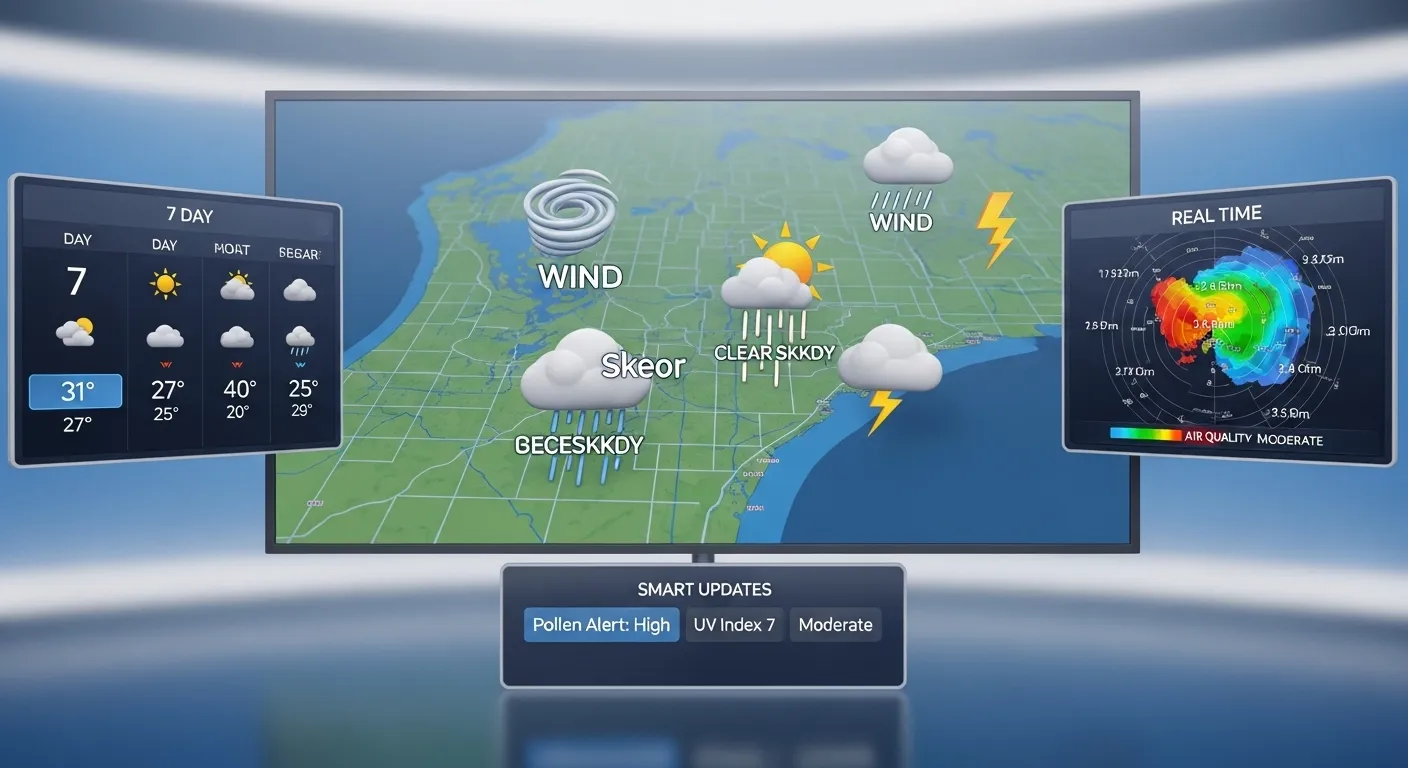
Get the latest Pakistan weather tomorrow forecast with strong insights, local breakdowns and practical tips for your day ahead.
Introduction
Tomorrow’s weather can shape your day before it even starts. Whether you’re planning to head out, commute, or simply relax, knowing the weather tomorrow helps you stay prepared. In this article we’ll dive into the upcoming weather outlook, hourly predictions, and helpful insights so you’re not caught off-guard. Using the latest data for Karachi (and general tips that apply anywhere), you’ll learn how to interpret the weather forecast, weather outlook, and weather report with confidence. Let’s get started and make the most of what’s ahead.
Currently 91° · Hazy sunshine
Karāchi, Pakistan
 1 PM | 92° | Hazy sunshine |
| 2 PM | 93° | Hazy sunshine |
| 3 PM | 94° | Hazy sunshine |
| 4 PM | 93° | Hazy sunshine |
| 5 PM | 91° | Hazy sunshine |
 6 PM | 89° | Hazy moonlight |
 7 PM | 88° | Partly cloudy |
| 8 PM | 87° | Mostly clear |
| 9 PM | 85° | Partly cloudy |
| 10 PM | 84° | Intermittent clouds |
| 11 PM | 83° | Intermittent clouds |
| 12 AM | 80° | Intermittent clouds |
1. What to Expect: Tomorrow’s Weather Outlook
Here’s the current forecast for Karachi tomorrow:
- Hazy sunshine through early afternoon, temperatures climbing to ~35 °C (94 °F).
- Late afternoon into evening: temps dropping to around 30 °C (86 °F) then into the night around 27 °C (80 °F).
- Sky conditions: mostly hazy early, turning partly cloudy by evening, and intermittent clouds overnight.
- Wind/light breeze typical; humidity moderate—could feel warmer than the thermometer says.
This weather prediction shows that the weather tomorrow will start hot and hazy, then become slightly cooler and more comfortable later. Knowing this helps you choose what to wear, plan outdoor tasks, or decide if indoor activities might be better.
Table of Contents
2. Why This Forecast Matters
a) Temperature & Comfort
With temps near 35 °C in the afternoon, that’s a strong warm spell. For many people, that means:
- Stay hydrated
- Avoid strenuous outdoor work between 12pm-4pm
- Use sun protection (hat, sunscreen)
b) Air Quality & Haze
The early haze suggests reduced clarity and possible slight air quality issues. If you’re sensitive (children, elderly, asthma), you may want to limit outdoor time during the haze peak.
c) Evening Relief
As the day cools to the high 20s °C, it becomes more comfortable for outdoor evening activities. A good sunset walk is feasible. This change in conditions shows how a weather prediction or weather outlook works: anticipating the drop in temperature gives you better scheduling control.
3. Hour-by-Hour Breakdown
| Time | Condition | Temp | Tip |
|---|---|---|---|
| 1:00 pm | Hazy sunshine | ~33 °C | Drink water if outside |
| 2:00 pm | Hazy sunshine | ~34 °C | Shade and rest breaks recommended |
| 3:00 pm | Hazy, hottest hour | ~35 °C | Indoor work preferred |
| 4:00 pm | Still warm (~34 °C) | Monitor sun exposure | |
| 5:00 pm | Temp dropping (~33 °C) | Start easing outdoor plans | |
| 6:00 pm | Moonlight, ~31 °C | Evening outdoor more comfortable | |
| 7:00 pm | Partly cloudy, ~30 °C | Great time for walk or socializing | |
| 8:00 pm | Mostly clear, ~29 °C | Relax outdoors or enjoy breeze | |
| 9:00 pm | Partly cloudy, ~30 °C | Good night conditions | |
| 10:00 pm | Intermittent clouds, ~29 °C | Cooler, pleasant | |
| 11:00 pm | Intermittent clouds, ~28 °C | Ideal for sleep | |
| Midnight+ | ~27 °C | Very comfortable overnight |
This hour-by-hour breakdown is more than just data—it helps you plan: when to run errands, when to rest, when to seize cooler hours.
4. What the Weather Report Means for You
- Morning & early afternoon: Hot and hazy. Good time for indoor tasks or errands in shaded/air-conditioned spots.
- Late afternoon into evening: Cooling trend means better conditions for activities outdoors. Plan the key moments accordingly.
- Night: Comfortable, low risk of severe weather. Great for rest or light evening plans.
So the “weather report” or “weather outlook” for tomorrow isn’t just numbers—it’s about making smarter decisions.
5. How to Use This Forecast Smarter
Use case scenarios:
- For commuters: If you travel in early afternoon, wear lightweight breathable clothes, carry water, expect haze. Evening commute will be milder—less heat stress.
- For families/children: If kids play outside, schedule their outdoor play later in the day when it’s cooler.
- For outdoor social events: Evening is ideal. Sunset around 6-7pm with pleasant temperature.
- For home chores/garden work: Avoid midday; late afternoon or early evening is perfect.
Smart tip:
Set a reminder around 4–5pm: check local monitor for any updates (e.g., haze clearing, wind picking up). Having a flexible timeline makes all the difference.
6. Common Mis-Interpretations of “Weather Tomorrow”
Here are errors people often make:
- Thinking early sunshine guarantees the rest of the day is the same. In reality, the weather prediction can shift as clouds or breezes change.
- Ignoring humidity/haze—temperature alone doesn’t define how “hot” or “cool” you feel.
- Assuming evening will be same as afternoon. As we see, the weather outlook drops ~5 °C+ by evening—big difference.
- Failing to adapt plans based on hourly data. Using just a blanket “sunny tomorrow” line misses the nuance of the day’s rhythm.
7. Why Accuracy Matters & How Forecasts Work
Weather experts use models, observations, and data to craft the weather outlook you read. The U.S. national service describes how sky condition, wind, precipitation probability are defined. National Weather Service
Accurate predictions lead to better planning—whether you’re scheduling an outdoor event, commuting safely, or helping children into daily routines.
8. Planning Ahead: Beyond Just Tomorrow
While we focus on tomorrow, keep an eye on the 2-3 day window: if haze extends, or if wind picks up, conditions may change. Use the “weather prediction” as dynamic, not static.
Also: remember synonyms like weather report, weather forecast, weather outlook all point back to what you need—a clear picture of what’s ahead.
Heading into tomorrow, you’re equipped with more than a basic “sunny or cloudy” message. The weather tomorrow in Karachi will feature strong afternoon heat, shifting to more comfortable evening conditions—perfect to exploit if you plan well.
Stay hydrated, protect yourself midday, and schedule key activities for the cooler late afternoon or evening hours. And remember: the forecast is your ally. Use it smartly.
Here’s to a well-prepared, smooth day ahead.
Tomorrow’s weather can change the way you plan your day—from what to wear to when to leave home. In Pakistan, with its wide range of climates and seasonal changes, knowing the weather tomorrow can save time, trouble and even money. This guide uses up-to-date data and clear explanations so you can feel confident and prepared.
We’ll look at what the forecast says for tomorrow in key cities like Karachi, Lahore and other regions, talk about how weather patterns work in Pakistan, and share tips to make the most of the day ahead. I’ve gathered data from the Pakistan Meteorological Department (PMD) and other trusted sources to bring you authoritative information you can trust.
Section 1: What the Forecast Says for Tomorrow Across Pakistan
Karachi – Coastal Outlook
In Karachi, tomorrow begins with hazy sunshine and high temperatures rising to about 34-35 °C (≈94 °F) by mid afternoon. Weather Atlas+2MeteoFlow.com+2 Early evening will see a drop into the low 30s or high 20s °C, with partly cloudy skies and more comfortable air. Because of the haze and heat, the early afternoon may feel warmer than the thermometer shows.
Lahore – Inland Punjab Region
For Lahore, the forecast indicates a maximum around 31 °C with minimum temperatures dipping to around 18-20 °C during night. Weather Atlas Clear skies dominate, making visibility good and evenings pleasant for outdoor activity.
Northern & Hill Regions
In cities like Peshawar and other hilly parts of Khyber-Pakhtunkhwa, forecasts show a chance of thunderstorms or scattered rain. For example, Peshawar may have rainfall chances up to 70 %. Weather Atlas This means those regions need to keep an umbrella or rain-jacket ready just in case.
Other Regions & General Outlook
Across wider Pakistan, the PMD suggests stable weather, though isolated disturbances (especially in the north) might trigger short-duration rain or wind. Pakistan Meteorological Department+1 So while many areas will see dry, clear weather, some pockets might have surprises.
Section 2: Why This Weather Matters in Pakistan (2025)
1. Diverse Climate Zones
Pakistan isn’t one uniform weather zone—it has coastal zones like Karachi, plains like Lahore, mountainous zones in the north, and deserts in the south. Because of this diversity, the “weather tomorrow” message changes from city to city.
2. Seasonal Transitions & Trends
In 2025, Pakistan is seeing tighter transitions between seasons. For example, monsoon or winter patterns may arrive earlier, and heat spikes might linger. These shifts make accurate forecasts essential for daily life.
3. Impact on Daily Life & Planning
- Commuters & workers: A sharp drop or spike in temperature, or sudden rain, can affect travel, clothes, errands.
- Families: Rain or thunderstorms mean outdoor play or visits may need moving.
- Farmers & rural residents: Weather patterns affect crops, irrigation, and yields.
In short: happy evenings, or hurried mornings, often hinge on the “weather tomorrow”.
4. Climate Sensitivity
Pakistan is among countries sensitive to climate change impacts: melt-glaciers, shifting monsoon patterns, urban heat islands. These broad trends make even short-term forecasts more meaningful. For example, climate-linked heavier rain events in northern Pakistan are already documented. The Economic Times+1
Section 3: Practical Framework – How to Use the Forecast Tomorrow
Here’s a step-by-step practical guide to using your “weather tomorrow” forecast.
Step 1 – Morning Prep
- Check your local city forecast early (before 8 am) for temperature and sky condition.
- If in Karachi: Expect hazy early hours and rising heat; plan errands before 3pm if possible.
- If in Lahore: Cooler morning; still comfortable outdoors; but afternoon might warm.
- If in north/hills: Check rain chance; if thunderstorms likely, pack waterproof gear.
Step 2 – Midday Planning
- For hot midday hours (30-35 °C), stay hydrated, avoid heavy sun exposure.
- If outdoor tasks unavoidable, opt for shaded times between ~4-6pm when temperature begins to drop.
- Use simple items like a hat, water bottle, light clothing.
Step 3 – Evening & Night Options
- As temperature drops into the 20s or high 20s °C, consider outdoor plans: walk, socialise, shop.
- If rain/thunder possible in north: avoid hilly trails or low-lying zones prone to water run-off.
- Prepare for clear night sky—good for rest, but if it’s still humid near the coast, a fan or AC might help.
Step 4 – Backup & Alerts
- Always check if PMD has any alert (wind, dust, rain) for your district. Pakistan Meteorological Department+1
- If you’re planning significant events (wedding, outdoor meetings), keep an alternate indoor plan ready.
- Use hourly breakdowns to pick the best window for your activity (morning vs evening).
Step 5 – Clothing & Accessories
- Karachi: Lightweight, breathable clothes for midday; evening layering optional.
- Lahore: Layered clothing helps for cooler night.
- North: Waterproof/resistant jacket if rain expected.
- Everyone: Sunglasses, sunscreen, water bottle.
Section 4: Real-Life Scenario – A Day with the Forecast
Let’s walk through “tomorrow” as if you’re a resident in Karachi.
6 am: You wake up, it’s hazy, ~30 °C already. You plan to visit friends at 11. Knowing the forecast, you decide to relocate the visit to 5pm when it cools.
11 am-3 pm: Heat peaks ~34-35 °C. Rather than outdoor activity, you choose indoor shopping in an air-conditioned mall.
4 pm: Temperature begins dropping; haze breaks into partly cloudy skies. You head out for a small jog.
7 pm: Around ~30-31 °C, comfortable breeze from the sea. You enjoy an outdoor dinner.
Night: ~27-28 °C, lightly cloudy. Good sleep, remember to close windows if humidity rises.
Because you used the weather tomorrow forecast proactively, you stayed comfortable, avoided the worst midday heat, and made the evening pleasant.
If you lived in Lahore, you might have planned a morning walk instead, since the high is lower (~31 °C) and night cooler (~18-20 °C).
If you were in north Pakistan with a thunderstorm chance, you might postpone a hike, monitor signs of rain, and ensure safety.
Section 5: Mistakes to Avoid & Myths Debunked
Mistake #1: Treating every city the same
The “weather tomorrow” for Karachi isn’t the same as for northern Pakistan or Lahore. Location matters.
Mistake #2: Ignoring humidity or “feels-like” temperature
A 34 °C day with high humidity can feel much hotter. In Lahore, though max is ~31 °C, if humidity is high, it may feel oppressive.
Mistake #3: Ignoring night/early morning changes
Many assume it stays the same all day. In fact, Karachi’s temperature drops significantly into the evening.
Myth: Cloudy = Cooler
In some districts, haze or clouds trap heat; you might still sweat though it looks overcast.
Mistake #4: Not preparing for sudden changes
In mountainous or rain-prone areas, storms can appear with little warning. Having a backup plan is wise.
Section 6: Tools, Trends & What’s Next
Tools & Data
- PMD website offers district-wise forecasts and cap alerts. Pakistan Meteorological Department
- Apps with hourly breakdowns help refine the “weather tomorrow” decision.
- Local observation (wind speed, cloud formation) still matters—sometimes local micro-conditions differ from model.
Trends for 2025
- The increasing effect of climate change means weather patterns can shift more rapidly: longer heat spells, sudden rain bursts.
- Urban heat island effect in cities like Karachi means evenings might stay warmer than countryside.
- Improved forecast models: more accurate short term predictions (next 24-48 hours) help you plan better.
What to Watch
- Dust storms near deserts or dry areas in Pakistan. These may reduce visibility and air quality.
- Thunderstorm triggers in north/northeast. Even if not raining all day, sudden events can impact travel.
- Sea-breeze cycles in coastal zones: afternoons may bring cooler air from the sea.
Why this matters for “weather tomorrow”
Because every hour counts. The more you refine your knowledge of tomorrow’s weather, the more control you have.
Conclusion
Once you know the forecast for weather tomorrow, you’re in the driver’s seat. Whether you’re in Karachi facing hazy heat, Lahore enjoying a milder high and cool night, or in the northern hills preparing for possible showers—you can shape your day accordingly.
Here’s a final quick-check list:
- Know your city’s high/low and conditions.
- Plan outdoor tasks around cooler windows.
- Stay hydrated, protect yourself from sun/heat.
- Keep an eye on alerts if you’re in a region prone to rain or storms.
- Use the forecast wisely—it’s more than a number; it’s your daily tool for a smoother day.
Tomorrow’s weather is more than just a headline—it’s your strategy for feeling good, staying safe, and making the most of your time.
Enjoy your day ahead, stay weather-smart, and make the forecast work for you.
🌤 FAQ Section: Weather Tomorrow in Pakistan
1. What will the weather tomorrow in Pakistan be like?
Tomorrow’s weather in Pakistan will vary by region. Northern areas may see cooler temperatures and possible rain, while southern cities like Karachi and Hyderabad could experience warm and humid conditions.
2. Will it rain tomorrow in Pakistan?
Rain is expected in the upper and central parts of Pakistan, including Islamabad, Murree, and northern Khyber Pakhtunkhwa. Southern regions are likely to stay mostly dry.
3. What is the temperature forecast for Pakistan tomorrow?
Daytime temperatures may range from 18°C to 27°C in northern cities and 28°C to 36°C in southern plains. Coastal regions may experience humidity levels above 60%.
4. Which cities in Pakistan will be the hottest tomorrow?
Cities like Karachi, Sukkur, and Multan are expected to be the hottest, with highs reaching around 35°C to 38°C during midday.
5. Where will it be coldest in Pakistan tomorrow?
Northern regions such as Gilgit, Skardu, and Hunza are expected to remain the coldest, with nighttime lows possibly dropping to 8°C or below.
6. Is there a weather alert for tomorrow in Pakistan?
Yes, there is a moderate weather advisory for heavy rainfall in the northern hilly regions and possible dust storms in the south. Travelers should plan accordingly.
7. How can I check live updates for Pakistan weather tomorrow?
You can check official updates from Pakistan Meteorological Department (PMD) or trusted weather sites like AccuWeather and Weather.com for real-time forecasts.
About the Author

Add a Comment